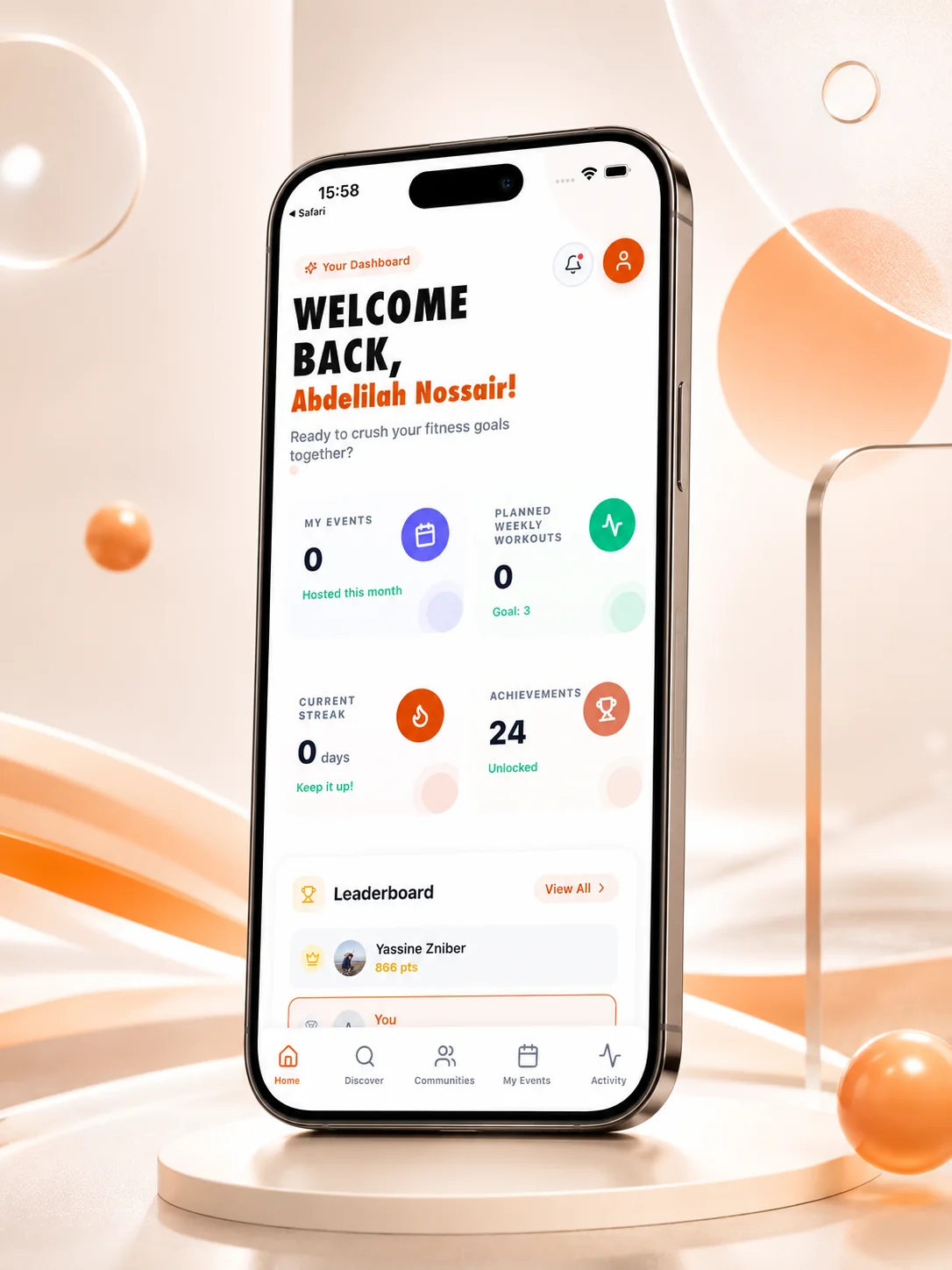




Eating Smart
Advancing health informatics with a Grounding DINO-based dietary assistant.
Read publication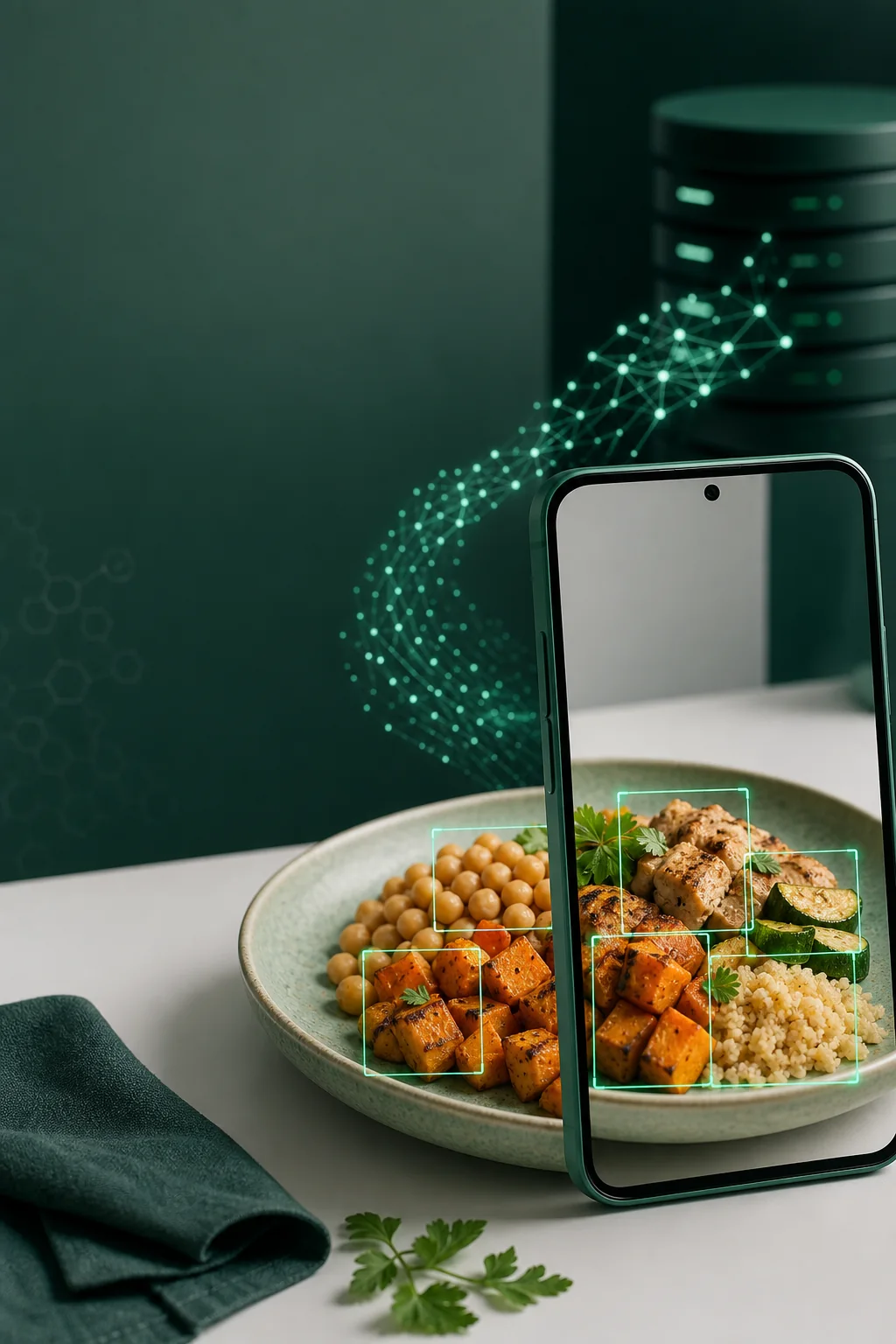
Introduction
Helping people make informed food choices from the camera in their pocket.
The Smart Dietary Assistant combines React Native, personalized profiles, and Grounding DINO’s zero-shot object detection to recognize meal components and return nutritional guidance. It was designed for dietary goals such as weight management, muscle building, and diabetes-aware decision making while prioritising privacy through a self-managed PostgreSQL data layer.
- 90.79% Validation precision
- 10,596 Food-related COCO images
- 41.3 Net Promoter Score
Research concepts

Process
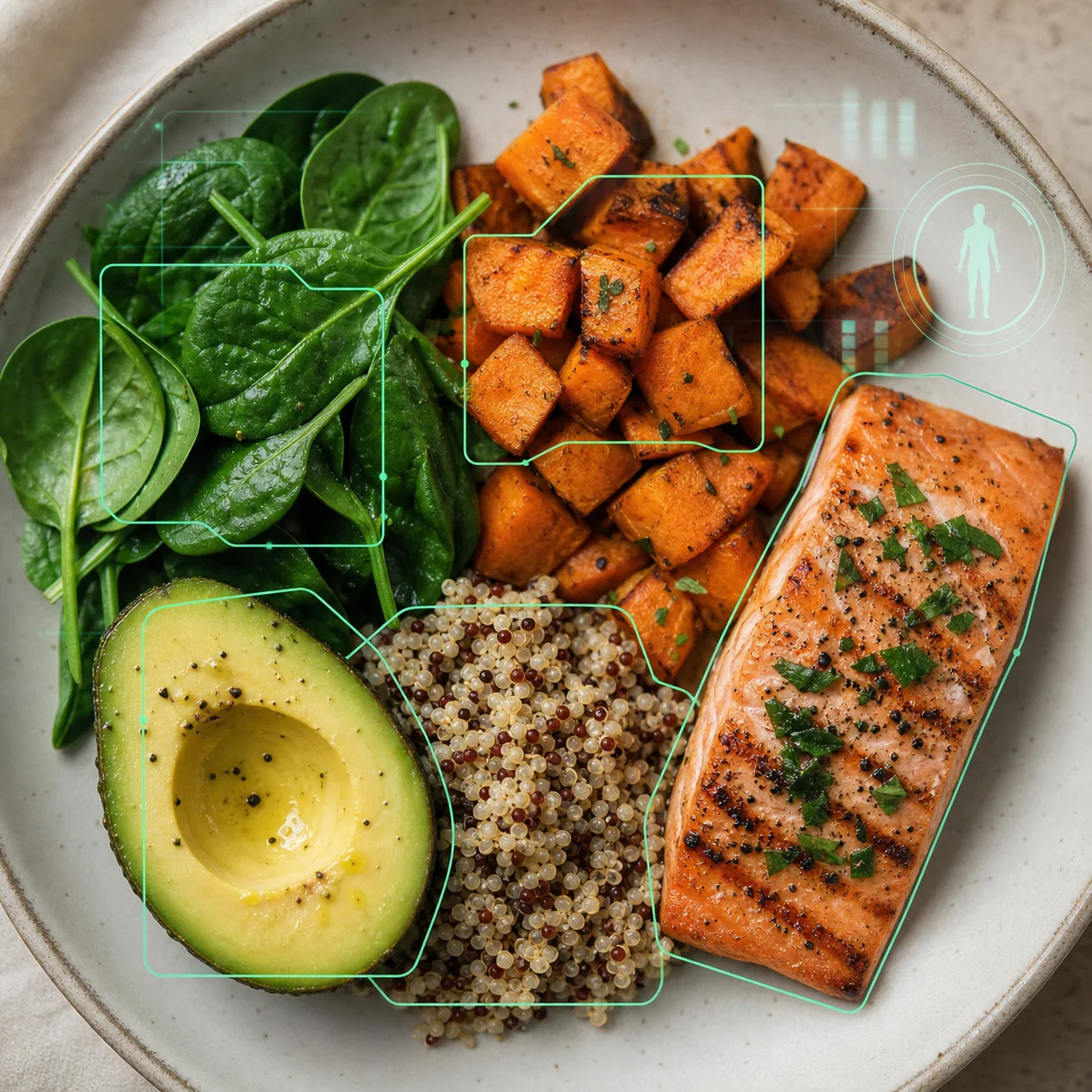
From food image to personalised dietary guidance
-
01
Profile & capture
A user signs in, adds health context and preferences, then captures a meal image with the mobile camera.
-
02
Secure processing
The image moves through TLS-protected application services; Firebase Authentication establishes a secure session from the start.
-
03
Zero-shot recognition
TensorFlow infrastructure runs Grounding DINO to identify food components from prompted visual features without requiring a labelled food dataset for every case.
-
04
Guidance & monitoring
PostgreSQL retrieves nutritional records for personalised guidance, while Prometheus and Grafana support ongoing reliability monitoring.
The research connects zero-shot food recognition, personalised health context, and privacy-aware data handling so users can act on what they see rather than only record what they ate.
Health informatics, computer vision & privacy
Solution & Outcome
A privacy-aware dietary assistant
The implementation combines React Native and TypeScript on the client with Django services, TensorFlow model infrastructure, Firebase Authentication, and a self-managed PostgreSQL database. AES protects stored data, while TLS protects information in transit.
- Grounding DINO for flexible zero-shot food recognition
- Personalised profiles for dietary preferences and health context
- Food, nutrient, and dietary compatibility insights from PostgreSQL
- Camera scanning, nutritional guidance, and assistant interaction in one mobile flow
Promising results, with clear next steps
On a validation set of 1,589 images, the model achieved 90.79% precision, 93.84% recall, 87.98% accuracy, and a 92.30% F1 score. The 385-person survey also recorded strong perceived usability, privacy confidence, and recommendation intent.
- 4.52/5 overall user contentment and 4.47/5 trust in privacy and security
- 4.20/5 perceived user friendliness and 4.13/5 dietary suggestion accuracy
- 65% of users were satisfied or very satisfied with image-recognition speed
- Future direction: wearables, real-time physiological data, and richer meal planning